UN Maritime Agency Pushes Back on Hormuz Transit Fees
The IMO opposed proposed Hormuz transit fees after Trump demanded protection payments amid rising Iranian attacks on commercial shipping.
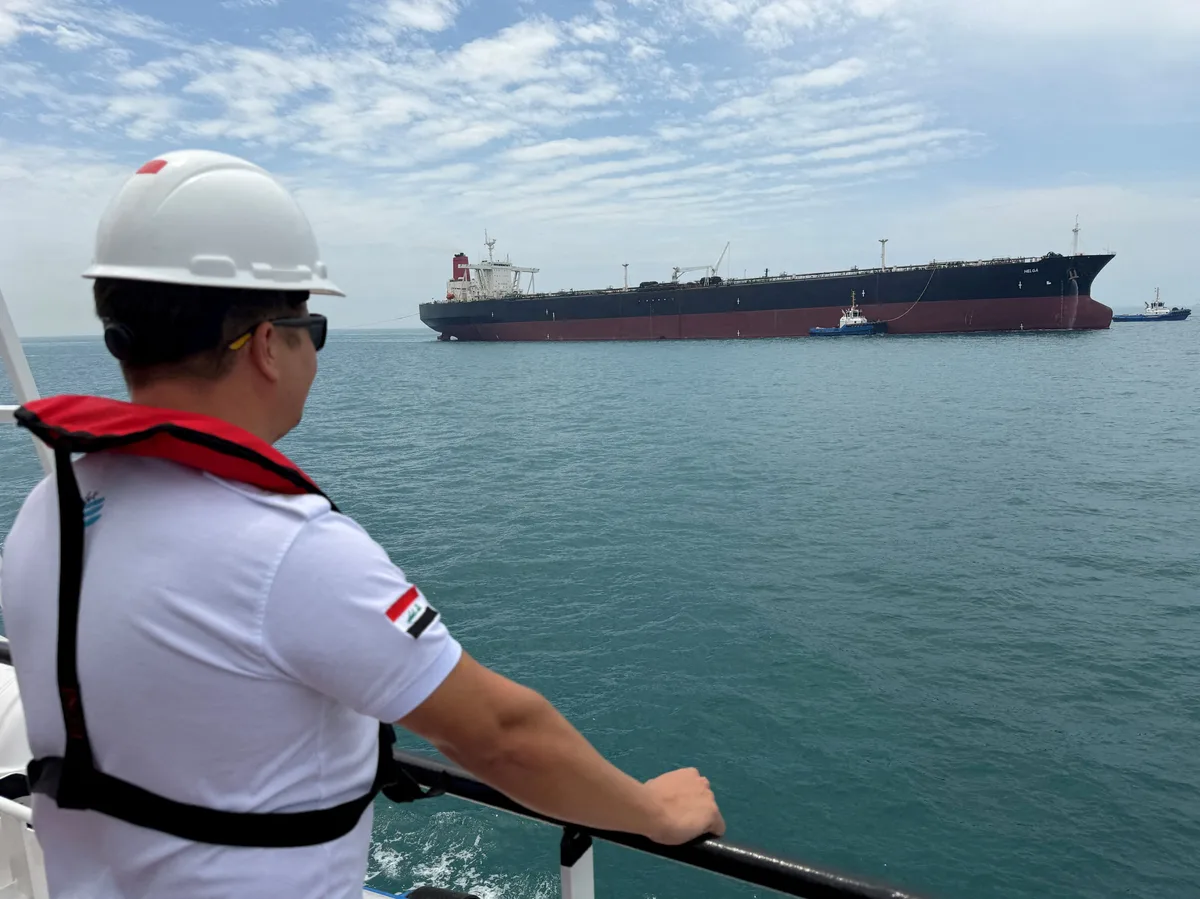
The United Nations' maritime regulatory body publicly opposed plans to charge vessels transit fees through the Strait of Hormuz, pushing back against a Trump administration demand that ships pay for protection in one of the world's most critical shipping lanes, according to US Top News and Analysis.
The standoff comes as security conditions in the strait have sharply deteriorated following a series of Iranian attacks on commercial vessels transiting the waterway over the past week. The escalating threat has raised alarm among shipping operators and global trade partners who depend on the passage for the movement of oil and cargo.
Read more Wall Street Transfer Agents Warn SEC on Third-Party Token Risks →
Trump's call for protection fees — effectively asking commercial ships to pay for safe passage — drew swift opposition from the International Maritime Organization, which governs global shipping standards and freedom of navigation. The IMO's stance reflects longstanding international norms that treat open sea lanes as a shared global resource not subject to tollbooth-style charges by any single nation.
The dispute puts the United States at odds with the broader international maritime community at a moment when tensions in the Persian Gulf region are already elevated. Analysts warn that any move to formalize transit fees could set a precedent that undermines freedom of navigation principles and invites retaliatory measures from other regional actors seeking leverage over key chokepoints.
The Strait of Hormuz remains one of the most strategically vital waterways on earth, with a significant share of the world's seaborne oil passing through it daily. Continue reading at US Top News and Analysis.