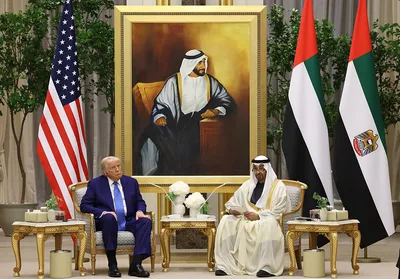
US Eases Export Rules for Nvidia AI Chips and Military Gear to UAE
Washington loosens export controls on advanced Nvidia AI chips and defense equipment bound for the United Arab Emirates, deepening a key Gulf tech alliance.
The United States government moved to relax export restrictions on Nvidia artificial intelligence chips and military equipment destined for the United Arab Emirates, according to a Reuters report, marking a significant shift in how Washington manages sensitive technology transfers to Gulf partners.
The policy change reflects a broader strategic calculation by the Biden or Trump administration to strengthen ties with the UAE, one of the most aggressive investors in AI infrastructure in the Middle East. By easing the regulatory burden on these exports, Washington is signaling greater confidence in Abu Dhabi as a reliable partner capable of safeguarding advanced American technology.
Read more Michigan Democratic Senate Primary Hinges on AI and Data Center Fears →
Nvidia's high-performance AI chips have become one of the most geopolitically sensitive exports the United States controls, given their central role in training large language models and powering military-grade computing systems. Any loosening of restrictions on such hardware carries implications not only for commercial markets but also for the global balance of AI capability — a factor that American regulators have weighed carefully amid ongoing competition with China.
The decision to also ease military equipment exports alongside AI hardware underscores the dual-track nature of the US-UAE relationship, which spans both defense cooperation and commercial technology investment. The UAE has positioned itself as a regional hub for cutting-edge technology, and American companies stand to benefit significantly from expanded access to that market.
Analysts are likely to scrutinize how these relaxed controls are structured — specifically whether end-use verification requirements and re-export restrictions remain robust enough to prevent sensitive technology from reaching adversarial states. Continue reading at Reuters.