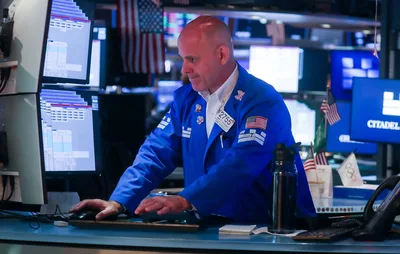
VIX Drops to 2026 Low, but Strategists Urge Caution
Wall Street's fear gauge hits its lowest point of 2026, but market strategists warn the calm may be short-lived.

Wall Street's closely watched volatility index, the VIX, fell to its lowest reading of 2026 this week, signaling that investors are increasingly at ease with current market conditions — a posture that veteran strategists say could prove costly in the months ahead.
The VIX, often called the market's "fear gauge," measures expectations for near-term price swings in the S&P 500. When the index drops, it reflects a market betting on smooth sailing; when it spikes, it signals anxiety. Strategists warn that the current decline points less to genuine stability and more to growing investor complacency at a historically dangerous time of year for equities.
Read more Eli Lilly, J&J Rise on New Data While Software Stocks Slide →
Market history offers a sobering backdrop to this optimism. Certain stretches of the calendar are reliably associated with elevated turbulence, and analysts caution that low volatility readings heading into those windows have frequently preceded sharp reversals. The gap between how calm investors feel and how volatile markets can quickly become is precisely what makes the current VIX reading a potential red flag rather than a green light.
The broader concern among strategists is that low fear readings can become self-reinforcing — right up until they aren't. Positioning gets stretched, hedges get removed, and when a catalyst eventually arrives, the unwind can be swift and punishing. For investors tempted to chase the rally on the assumption that quiet markets equal safe markets, the warning from Wall Street is blunt: don't get too comfortable.
Continue reading at US Top News and Analysis