VIX Rises Alongside Stocks in Rare Market Signal
Wall Street's fear gauge is climbing even as stocks hit record highs, an unusual divergence from normal market behavior.
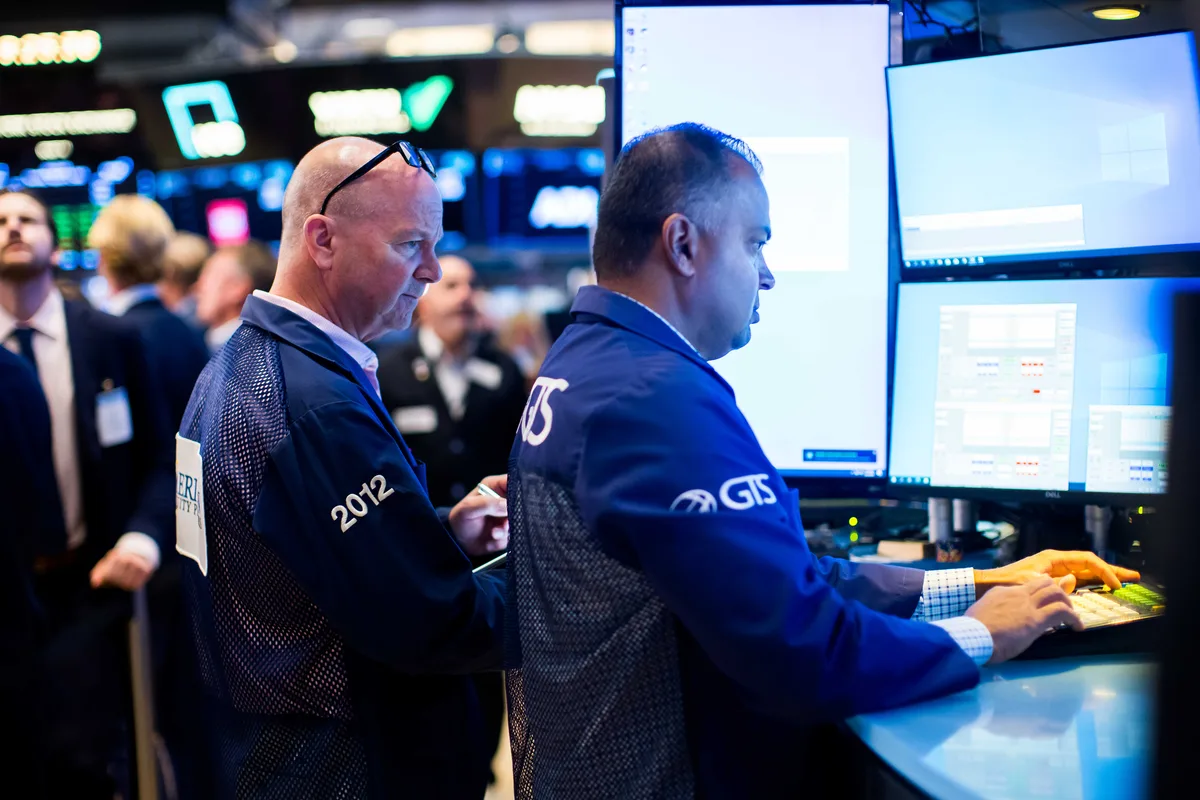
Wall Street is flashing an uncommon signal: the Cboe Volatility Index, widely known as the VIX or the market's "fear gauge," is rising in tandem with stocks as equities push into record territory — a pattern that defies typical market dynamics and has traders paying close attention.
Under normal conditions, the VIX and the stock market move in opposite directions. When stocks rally, investor anxiety tends to ease and the VIX falls; when markets sell off, fear spikes and the index climbs. But that relationship breaks down more often than many investors realize — stocks and the VIX move in the same direction only about 20% of the time, according to data cited by CNBC.
Read more Alphabet Shares Slip on AI Talent Losses, But Analysts Stay Calm →
The current synchronization of rising equities and a rising fear gauge is worth watching because it can signal that investors are hedging aggressively even as they chase gains, suggesting underlying uncertainty beneath the surface of an otherwise bullish market. When market participants pay up for protective options while simultaneously buying stocks, it can indicate that confidence in the rally is fragile or that traders anticipate near-term turbulence ahead.
Analysts often treat elevated VIX readings during a bull run as a yellow flag rather than a red one — not an immediate warning of collapse, but a reminder that complacency has not fully taken hold. The divergence could also reflect institutional players locking in protection against event-driven risks, such as policy shifts, geopolitical developments, or macroeconomic data that could disrupt the current momentum.
Continue reading at US Top News and Analysis.