Car Dealerships Lean on Service Revenue as Profits Slide
Dealership gross profits have dropped since 2022's supply crunch, pushing dealers to depend more on parts and service income to stay afloat.
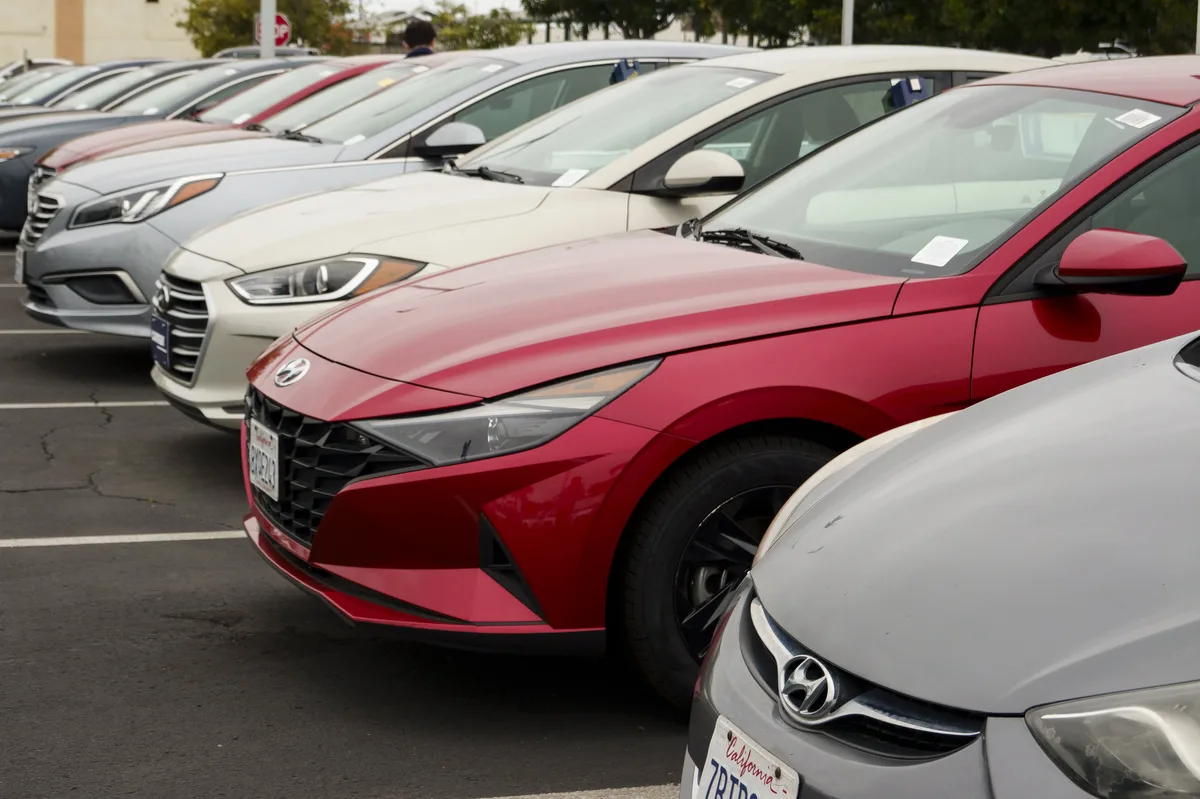
U.S. car dealerships are pivoting toward parts and service departments to sustain profitability as the boom-era margins of 2022 continue to erode, according to analysis from CNBC. The shift marks a significant strategic realignment for an industry that once relied heavily on vehicle sales to drive the bottom line.
During the supply-constrained environment of 2022, dealers commanded outsized gross profits on new and used vehicles as tight inventory gave them pricing power over consumers. That leverage has since diminished as supply chains normalized and vehicle availability improved, compressing front-end margins across the board.
Read more Rising Chip Costs Squeeze Chinese Phone Brands in India's Market →
Parts and service operations — often called the "fixed operations" side of the business — have historically served as a financial cushion during economic downturns and slow sales cycles. Dealerships are now leaning into these revenue streams more deliberately, recognizing their relative stability compared to the volatile new- and used-car sales environment.
The trend underscores a broader structural vulnerability in the franchise dealership model, which can swing dramatically with economic conditions, interest rates, and consumer demand. By building out service capacity and parts revenue, dealers are effectively hedging against the next downturn before it arrives.
Continue reading at US Top News and Analysis.