Rising Chip Costs Squeeze Chinese Phone Brands in India's Market
Surging memory chip prices are pushing Chinese smartphones out of reach in India, handing Apple and Samsung a competitive opening.
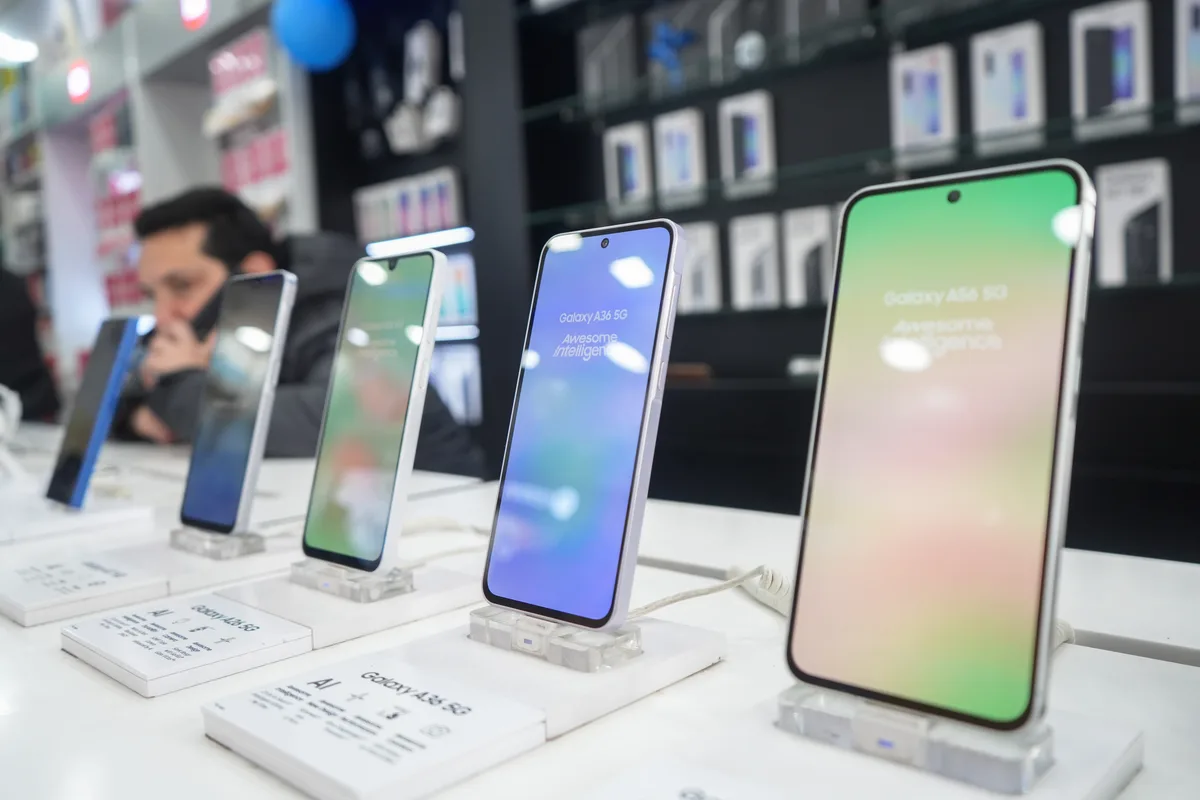
Soaring memory chip costs are redrawing battle lines in India's smartphone market, the world's second-largest, as higher component prices erode the price advantage that Chinese brands have long relied upon to dominate budget and mid-range segments. The shift is forcing consumers and retailers to reconsider value propositions that have held steady for years.
Chinese manufacturers — whose core competitive strategy has centered on aggressive pricing — are facing a structural challenge as chip costs rise. When the cost of key components climbs, budget-focused brands lose their primary lever: the ability to undercut rivals on price. That squeeze is now opening space for Samsung and Apple to compete more effectively across a broader range of price tiers.
Read more Car Dealerships Lean on Service Revenue as Profits Slide →
Samsung and Apple stand to gain meaningfully from the disruption. Samsung, which operates its own component supply chains and has deep manufacturing ties in India, is well-positioned to absorb cost pressures more efficiently. Apple, meanwhile, has been aggressively expanding its India manufacturing footprint, reducing import costs and improving its local competitiveness precisely as the market dynamic shifts in its favor.
The development carries broader geopolitical and economic implications. India has actively courted Apple and Samsung as part of its production-linked incentive programs designed to reduce dependence on Chinese-made electronics. A market realignment driven by chip economics could accelerate that industrial policy objective, reshaping not just consumer choices but long-term supply chain geography across South Asia.
Continue reading at US Top News and Analysis.