Goldman Sachs Says Currency Carry Trade Is Back at Multi-Year Highs
The hedge-fund strategy blamed for a major 2024 market blowup has surged back, Goldman Sachs reports, raising fresh questions about systemic risk.
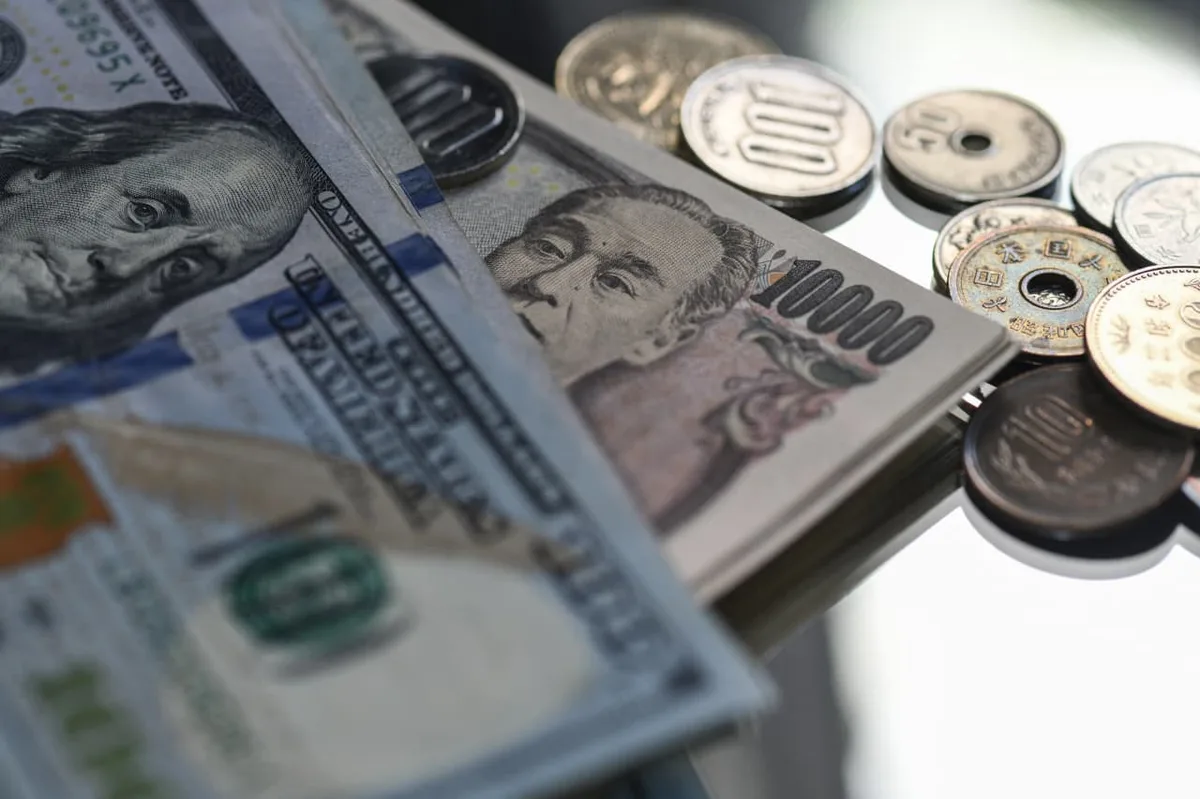
The currency carry trade — the hedge-fund strategy that helped trigger a massive global market selloff in 2024 — has roared back to levels not seen in years, according to a new analysis from Goldman Sachs. The revival of the trade puts investors and risk managers back on alert, given how dramatically it unwound the last time it reached similar scale.
The carry trade works by borrowing in a low-interest-rate currency and investing the proceeds in a higher-yielding one, pocketing the interest-rate differential as profit. The strategy can generate steady returns in calm markets, but it is notoriously fragile: when volatility spikes or currencies move sharply against the trade, forced liquidations can cascade across global markets with startling speed.
Read more Oil Prices Drop as Hormuz Shipping Concerns Ease →
That fragility was on full display in 2024, when an abrupt unwind of carry positions — particularly those involving the Japanese yen — contributed to one of the sharpest short-term selloffs in equity and currency markets in recent memory. The episode demonstrated how a trade concentrated among sophisticated institutional players can still transmit shock waves far beyond the hedge-fund community and into mainstream portfolios.
Goldman Sachs's finding that the trade has not only recovered but grown beyond its pre-blowup size suggests the appetite for yield-chasing remains strong despite that painful lesson. Analysts warn that the larger the position buildup, the more severe any future unwind could be — a dynamic that regulators and central banks have historically struggled to preempt. Whether current market conditions are stable enough to sustain the trade's renewed scale remains an open and consequential question for global investors.
Continue reading at MarketWatch.com