Iran Uses Strait of Hormuz as Leverage in US Nuclear Talks
Tehran's repeated opening and closing of the key waterway is a calculated pressure tactic, and markets may be underestimating the risk.
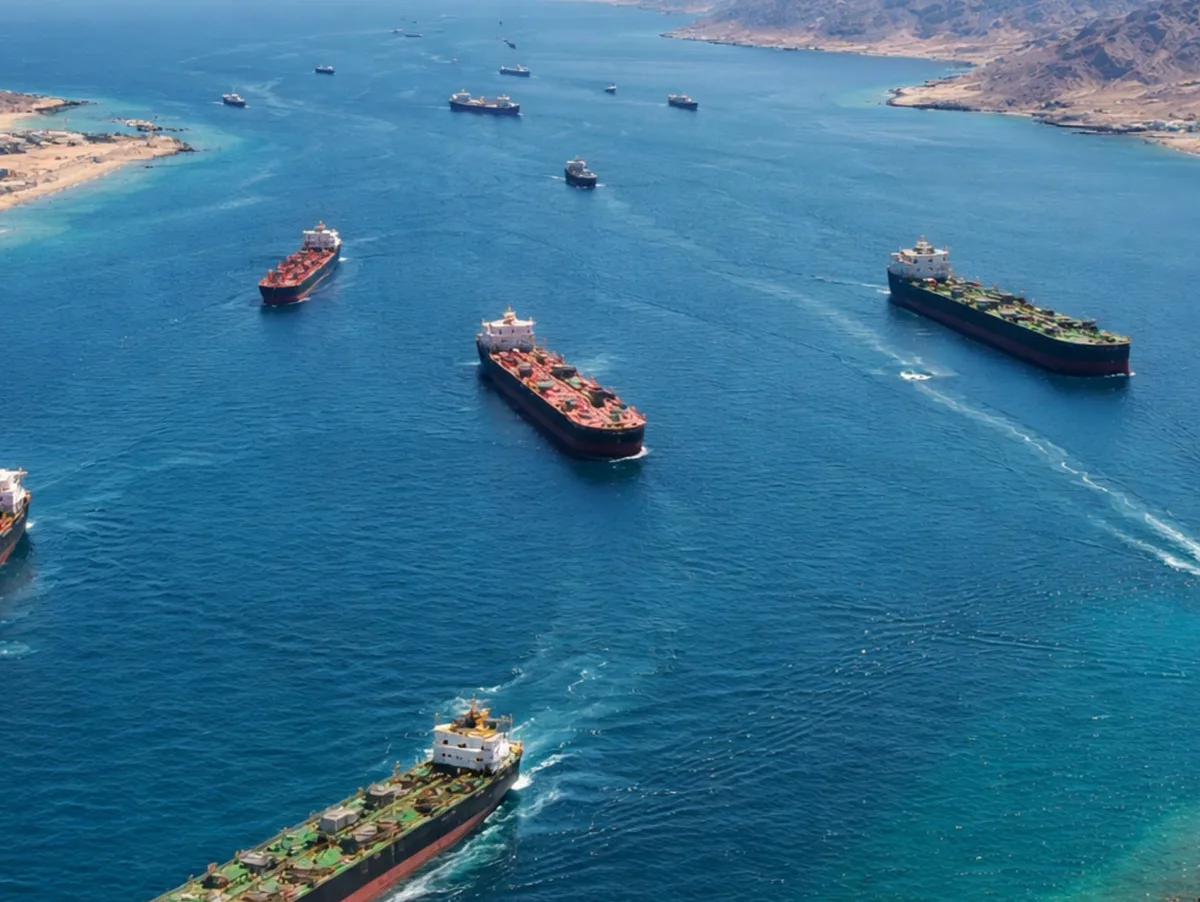
Iran has effectively weaponized its control over the Strait of Hormuz to extract concessions from Washington, cycling the critical waterway between de facto closure and limited reopening as US-Iran nuclear negotiations remain volatile. Shipping traffic along the strait has ground to a halt following Iran's displeasure over US military strikes, even as both sides signal a tentative willingness to resume talks — a pattern analysts see as deliberate delay tactics by Tehran.
By targeting vessels in the strait, Iran achieves a dual objective: it signals to Washington that it will not surrender its most powerful bargaining chip easily, and it reserves the right to blame any US response as a pretext for suspending or walking away from negotiations. Tehran can also point to continued Israeli strikes on Lebanon as additional cover to stall, giving itself maximum diplomatic flexibility while maintaining strategic pressure.
Read more Oil Prices Drop as Hormuz Shipping Concerns Ease →
President Trump declared the deal "over" earlier this week before softening his tone, a pattern consistent with his approach of signaling de-escalation while keeping pressure on. With oil prices currently lower, Trump may feel insulated from economic blowback — but the calculus changes sharply if crude prices surge again, threatening the broader US economic outlook and, critically, midterm election prospects.
Iran's core objective, according to this analysis, is to prolong the status quo for as long as possible — using the strait's chokehold to demand greater sanctions relief and the release of frozen assets. Global supply chains are already strained, and the oil market is drawing down reserves simply to maintain surface stability. The danger, as Forexlive warns, is that markets are severely underpricing the long-term disruption risk embedded in this standoff.
Continue reading at Forexlive.