Single-Stock ETFs Push Leverage Limits in Evolving ETF Market
The ETF market has shifted from low-cost index funds to high-risk single-stock leveraged products, with SK Hynix emerging as the latest flashpoint.
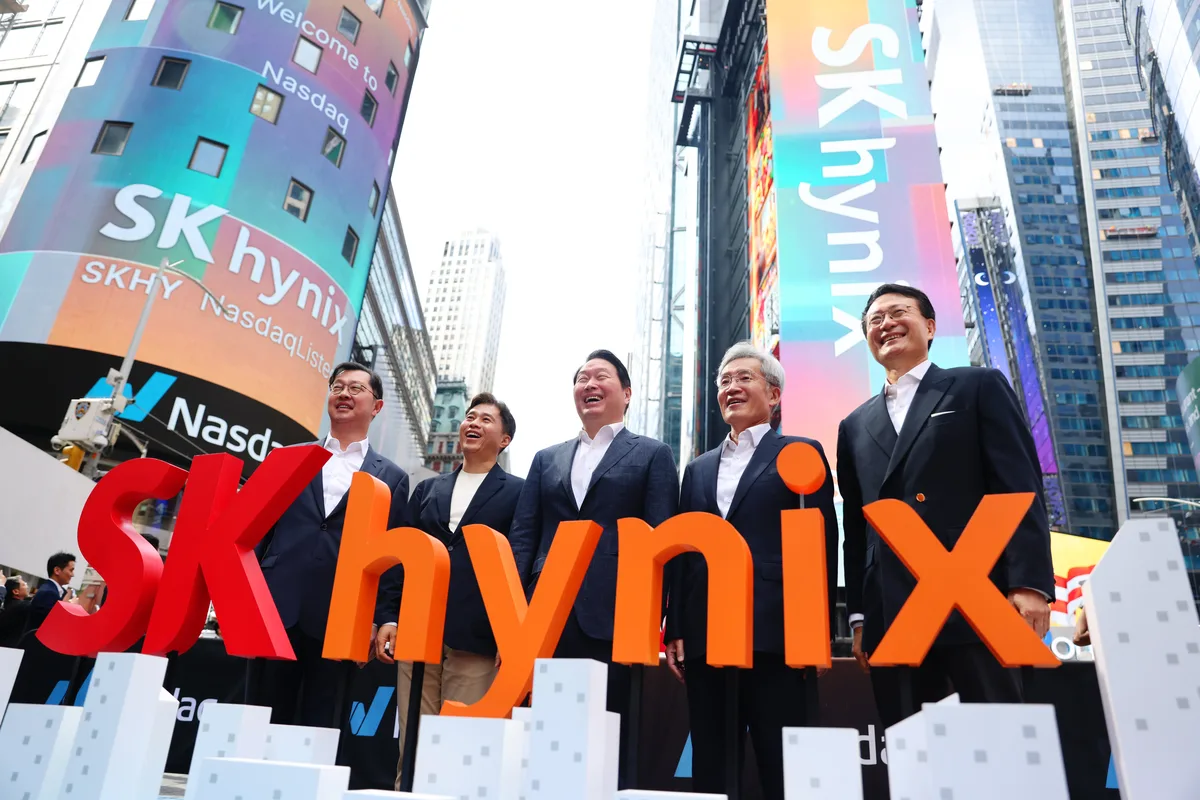
The exchange-traded fund industry, once celebrated for democratizing low-cost, tax-efficient index investing, is now testing the outer boundaries of leverage — and regulators, analysts, and investors are taking notice. SK Hynix, the South Korean semiconductor giant, has become the latest focal point in a broader debate about how much risk the modern ETF structure can safely absorb.
The original ETF proposition was straightforward: give everyday investors broad market exposure at minimal cost. But the product category has evolved dramatically, with single-stock ETFs — instruments that apply leverage to the performance of one individual company — increasingly capturing Wall Street's attention and retail investor dollars. Critics argue the trend has gotten "a little carried away," raising questions about systemic risk and investor suitability.
Read more Oil Prices Drop as Hormuz Shipping Concerns Ease →
Leveraged single-stock ETFs amplify both gains and losses, sometimes by two or three times the daily move of the underlying security. When that underlying stock is a volatile name like SK Hynix, which is exposed to the cyclical and geopolitically sensitive semiconductor sector, the compounding risk grows substantially. These products are designed to reset daily, meaning long-term holders can experience significant performance decay even if the stock ends up where it started.
The proliferation of these instruments reflects a fundamental tension in financial innovation: the same structural flexibility that made ETFs a revolution in personal finance is now being used to package products that would once have been confined to sophisticated derivatives desks. Whether regulators will step in to draw clearer lines around leverage thresholds remains an open question, but the SK Hynix episode has reignited the conversation at an industry level.
Continue reading at US Top News and Analysis