Staying Home Is No Longer the Budget Fix It Once Was
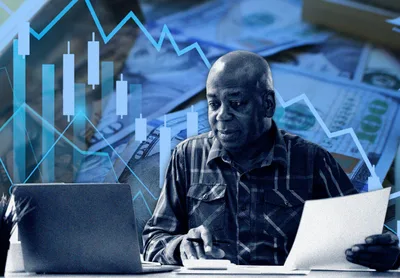
Rising costs for streaming, gaming, and other at-home entertainment are squeezing consumers who once turned to staycations as a savings strategy.
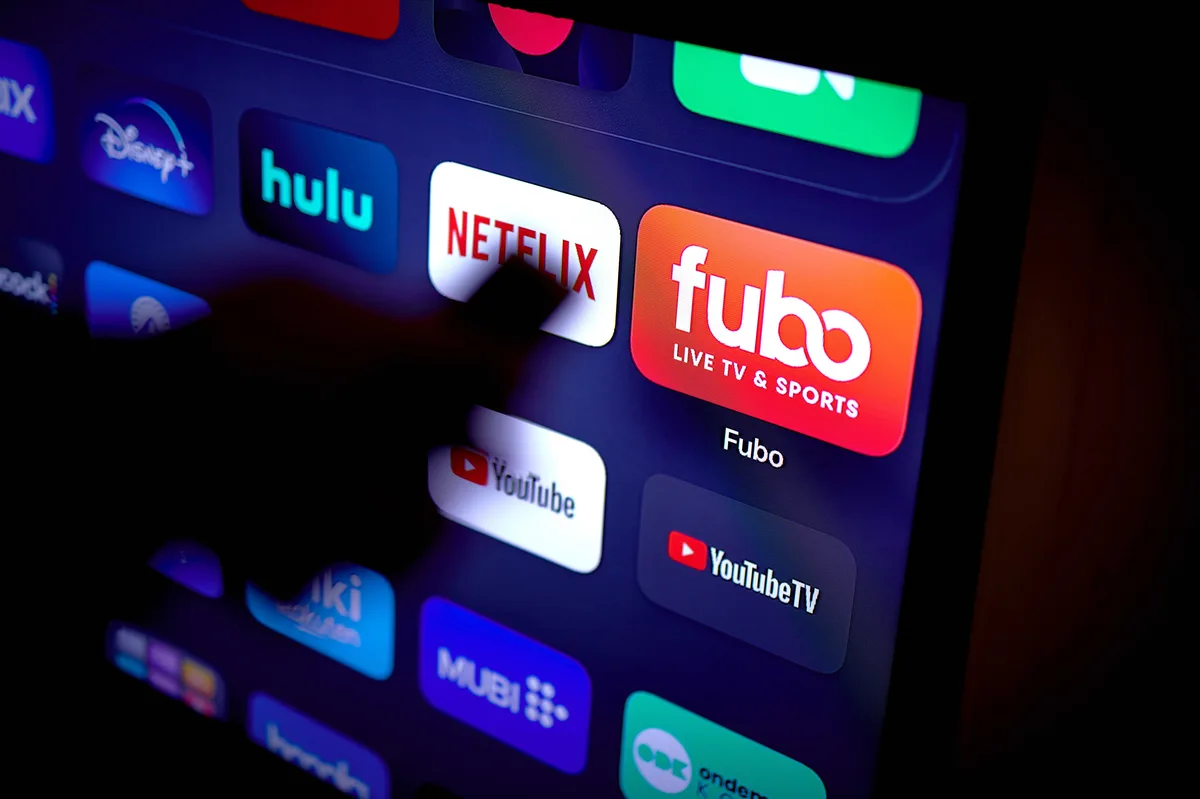
American households seeking relief from sky-high restaurant tabs and ticket prices by retreating to the couch are finding that the living room is no longer the bargain it used to be. A phenomenon dubbed "funflation" — the broad surge in leisure and entertainment costs — has now reached deeply into at-home pastimes, hitting streaming subscriptions and video game purchases with notable price increases.
Streaming platforms, once celebrated for disrupting expensive cable bundles, have steadily raised monthly rates while simultaneously cracking down on password sharing and introducing tiered ad-supported plans that blur the original value proposition. Video game prices have also climbed, with major titles routinely launching at $70 rather than the $60 standard that held for years, and additional downloadable content piling costs on top.
Read more Trump Accounts Launch: Eligibility, $1,000 Deposits Explained →
The shift matters because at-home entertainment had long served as a pressure valve for budget-conscious consumers. When inflation drove up the price of concerts, dining out, or travel, people traditionally pulled back on those splurges and leaned on cheaper alternatives at home. That trade-off is now far less straightforward, leaving households with fewer obvious ways to protect discretionary spending without genuine sacrifice.
Analysts and consumer advocates warn that "funflation" represents a broader recalibration of what leisure costs in the post-pandemic economy, where companies across the entertainment sector have tested — and found — consumers' willingness to absorb higher prices. For many families, the cumulative effect of small subscription increases across multiple platforms adds up quickly and can rival the cost of an occasional night out.
Continue reading at US Top News and Analysis.