Trump Accounts Launch: Eligibility, $1,000 Deposits Explained
The federal government officially launched Trump Accounts in July, offering a new tax-deferred investment option for children with up to $1,000 in seed funding.
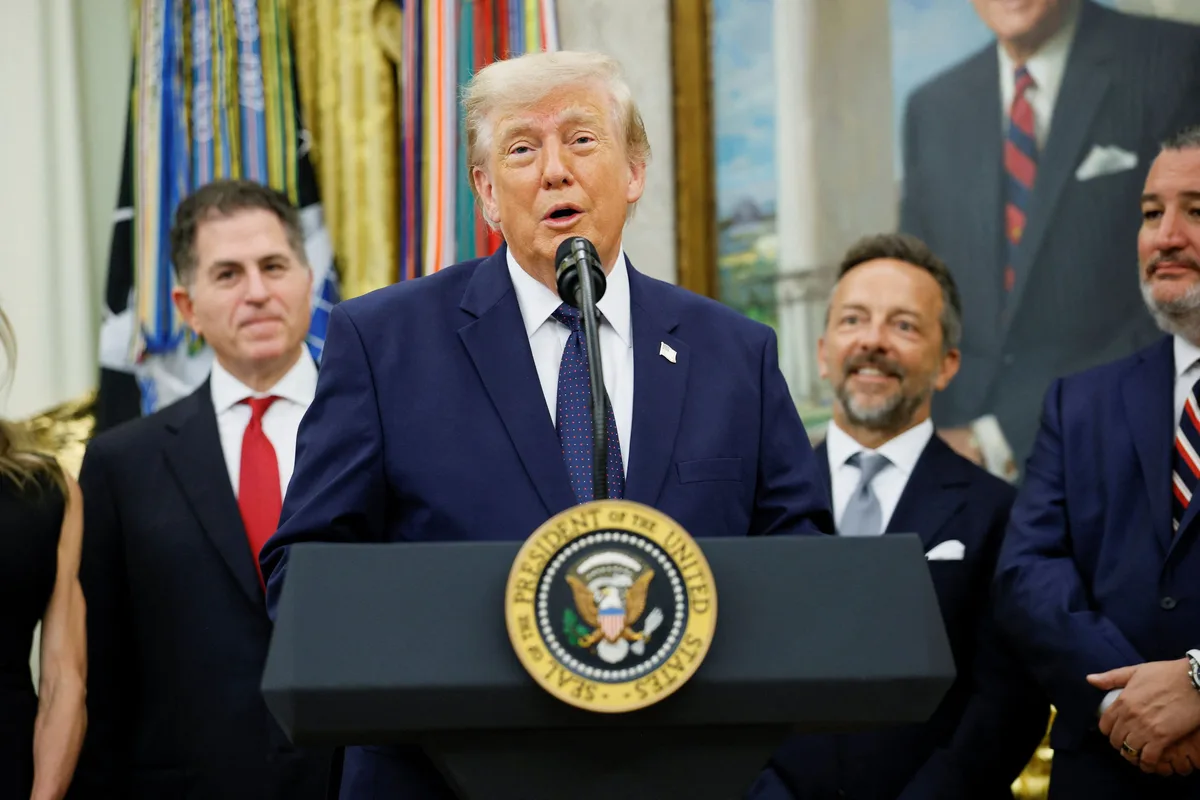
The federal government officially launched Trump Accounts in July, unveiling a new tax-deferred investing vehicle designed specifically for American children. The program introduces a structured way for families to begin building wealth on behalf of minors, with an initial government deposit serving as a financial head start.
Eligibility for a Trump Account centers on children who qualify under the program's federal guidelines, allowing parents or guardians to open accounts and begin investing on their child's behalf. The accounts carry tax-deferred status, meaning investment gains are not taxed until funds are withdrawn, a feature that mirrors the mechanics of traditional retirement accounts but targets younger beneficiaries.
Read more Staying Home Is No Longer the Budget Fix It Once Was →
One of the program's most prominent features is the $1,000 seed deposit that eligible children can receive when an account is opened. This government-backed contribution is intended to jumpstart investment growth from the earliest stages of a child's life, giving families who may not otherwise have access to investment vehicles a foundation to build upon.
Opening a Trump Account requires navigating a federal process tied to eligibility verification, with families expected to follow official government channels to establish and fund the accounts. Financial analysts note that the tax-deferred structure could generate meaningful compounding growth over a child's lifetime if contributions are made consistently, though the long-term policy durability of the program remains a subject of public debate.
Continue reading at US Top News and Analysis.