Why the Stock Market and Economy Often Move in Opposite Directions
AI-driven stock gains have surged while U.S. economic growth stays muted, exposing a persistent disconnect economists say is nothing new.
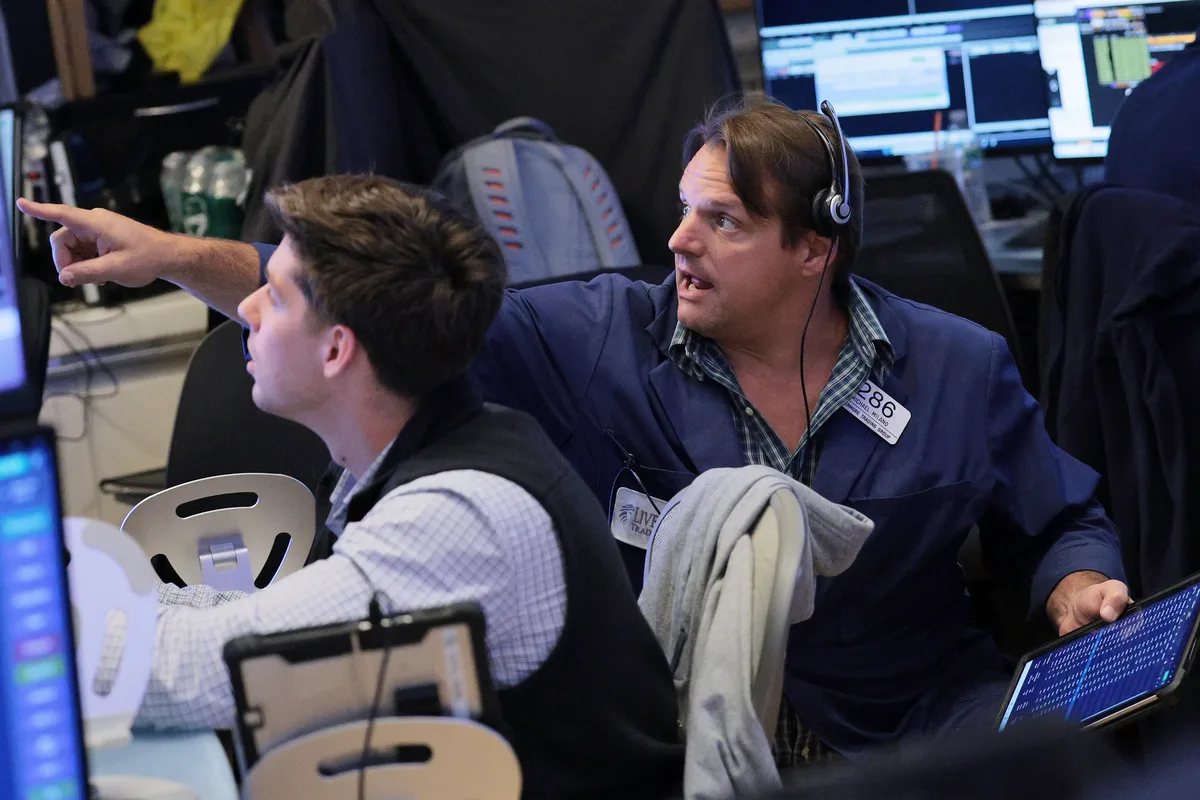
The U.S. stock market has surged on a wave of artificial intelligence optimism even as the broader American economy trudges along at a more modest pace — a divergence that has left many investors and everyday workers asking why Wall Street and Main Street seem to be living in different realities.
Economists point out that stock markets are fundamentally forward-looking instruments, pricing in anticipated corporate profits and technological transformation rather than current economic conditions. The AI boom has electrified investor sentiment, sending valuations skyward for companies positioned to benefit from the technology, regardless of whether that enthusiasm is yet reflected in broader GDP growth or household income gains.
Read more Oil Prices Drop as Hormuz Shipping Concerns Ease →
The U.S. economy, by contrast, is shaped by far more immediate and tangible forces — consumer spending power, labor market conditions, inflation pressures, and interest rate decisions by the Federal Reserve. These factors move more slowly and affect far more Americans directly than equity market fluctuations do, which helps explain why the two can diverge so sharply at any given moment.
Historically, prolonged disconnects between equity performance and economic fundamentals have drawn scrutiny from analysts who warn that market rallies untethered from real economic activity can leave investors exposed if corporate earnings fail to eventually justify elevated valuations. Whether AI-related productivity gains will ultimately close that gap remains one of the central questions hanging over financial markets today.
Continue reading at US Top News and Analysis.